The story behind the name
Without bees,
there is no garden.
1/3
of every bite of food we eat depends on pollinators.
70%
of the world's leading food crops rely on bees.
90%
of wild flowering plants need pollinators to reproduce.
The bee in the world
The smallest workers,
the biggest impact.
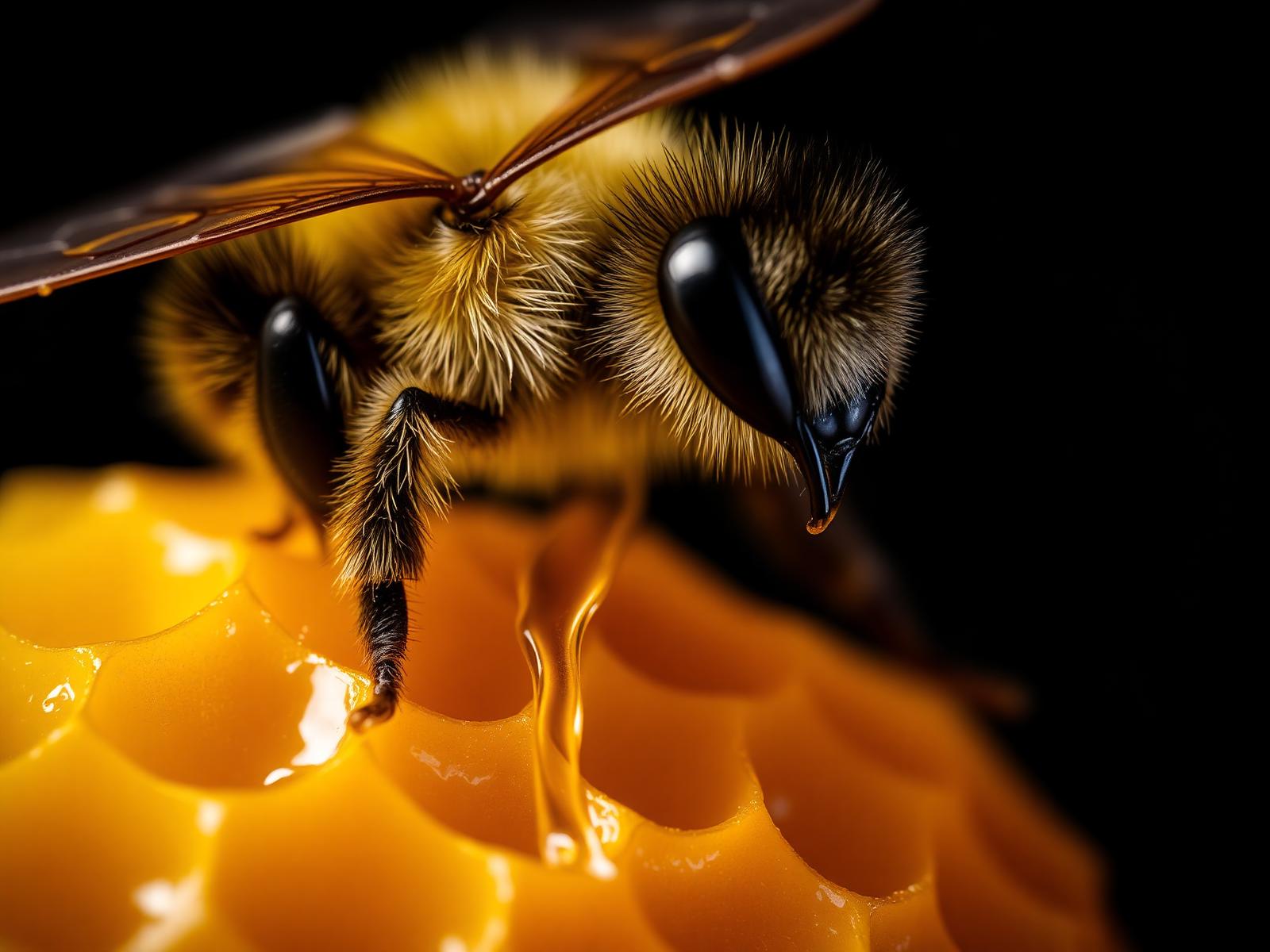
Bees are the quiet engines of the natural world. As they move from flower to flower gathering nectar, they pollinate the plants that feed us, clothe us, and shelter us. From the avocado on your toast to the cotton in your shirt — most of it begins with a bee.
But bee populations are collapsing worldwide. Pesticides, habitat loss, climate change and — perhaps most preventably — extermination of "nuisance" hives have all taken their toll. South Africa's bees are no exception.
When we lose bees, we lose biodiversity. We lose food security. We lose colour from our gardens and flavour from our tables. The chain is fragile — and we are all standing on it.
Our approach
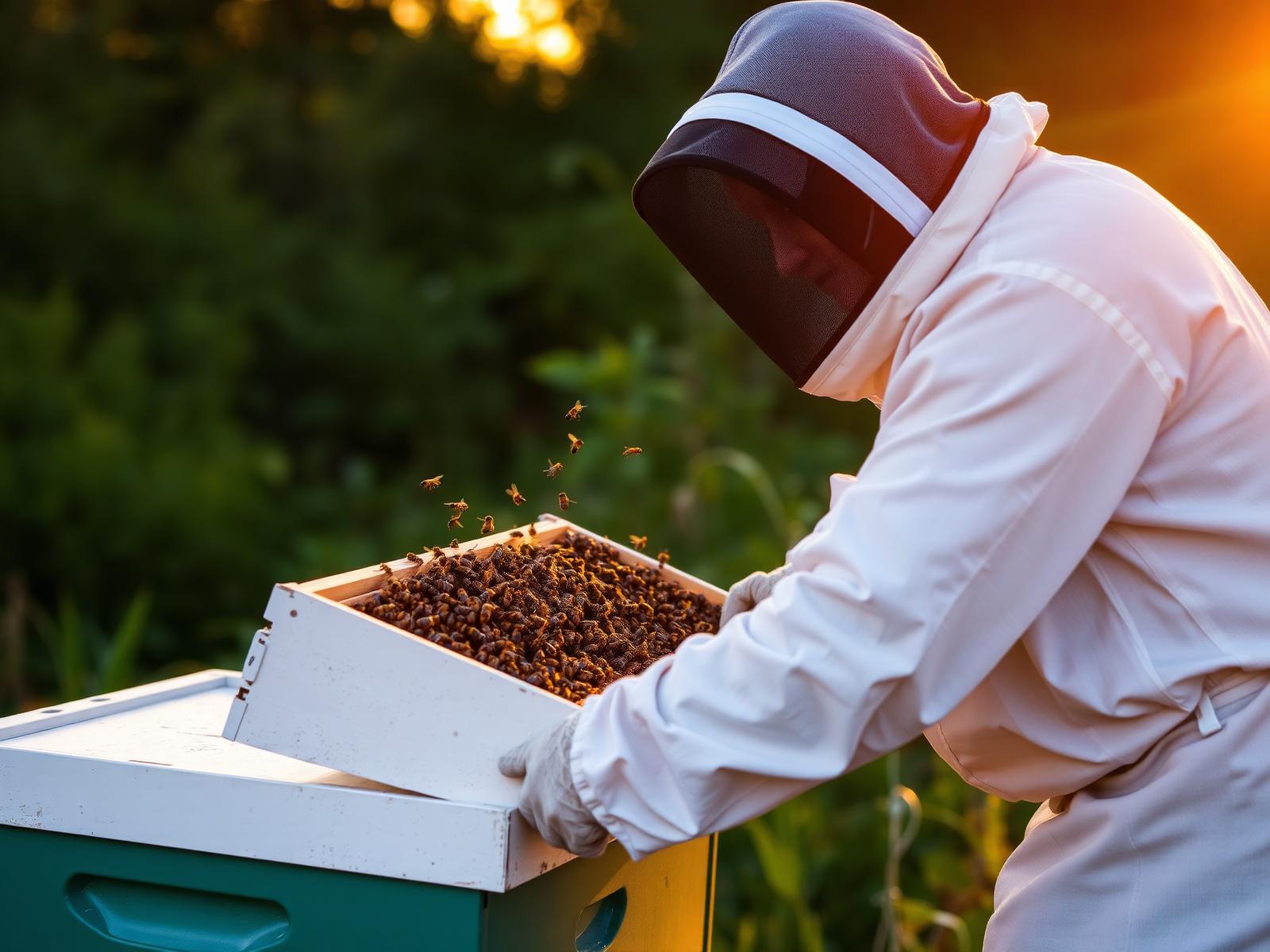
We relocate.
We don't exterminate.
Watch the journey: from threatened hive to thriving meadow.
Found
In a wall, roof or tree at risk
Rehomed
In a safe, flowering apiary
The result
Safer bees.
Fuller honey.
When colonies are placed in habitats rich with native flowers and free from pesticides, honey production grows — visibly. Watch the jars fill.
30%
Before relocation
65%
3 months in
95%
6 months in
Found a hive on your property?
Don't spray. Don't seal. Don't smoke. Call us — we'll relocate them safely, free of judgement.
Contact The Big Bee